
Top 5 Innovations Revolutionizing Tractor Engine Parts in 2025
Engine component manufacturing is evolving rapidly. Traditional methods have served us well, but new technologies are emerging. Among them, 3D printing stands out as a game-changer. It offers exciting possibilities for producing engine parts like cylinder liners, engine valves, and valve guides. The Rise of 3D Printing in Manufacturing 3D printing, also known as additive manufacturing, builds objects layer by layer. This method contrasts with traditional subtractive techniques, which remove material to create parts. The rise of 3D printing has opened doors for manufacturers to innovate and streamline production. Benefits of 3D Printing for Engine Component Manufacturing There are several benefits to using 3D printing in engine component manufacturing: Design Flexibility: Complex geometries are easier to produce. This allows for the creation of parts that were once impossible or too costly to make. Reduced Waste: Additive manufacturing uses only the material needed. This reduces waste and lowers material costs. Faster Prototyping: New designs can be tested quickly. This accelerates the development cycle and brings products to market faster. Cost Efficiency: For small production runs, 3D printing can be more cost-effective. It eliminates the need for expensive tooling and molds. Impact on Cylinder Liners Production Cylinder liners are crucial for engine performance. With 3D printing, manufacturers can create liners with optimized structures. This can improve heat distribution and reduce wear. Moreover, custom cylinder liners can be produced to meet specific engine requirements. Innovations in Engine Valves and Valve Guides Engine valves and valve guides are vital for controlling airflow and fuel in engines. 3D printing allows for the creation of lightweight yet durable components. This can enhance engine efficiency and performance. In addition, it enables the integration of complex cooling channels within the parts. Challenges and Limitations Despite its advantages, 3D printing faces challenges: Material Limitations: Not all materials are suitable for 3D printing. High-strength alloys used in engine parts may be difficult to print. Surface Finish: Printed parts may require additional finishing processes. This can add time and cost to production. Scale: Large-scale production is still more economical with traditional methods. 3D printing is currently better suited for prototypes and small batches. Future Prospects The future of engine component manufacturing is promising with 3D printing. As technology advances, we can expect: Improved Materials: Development of new printable materials suitable for engine parts. Enhanced Precision: Better printers that offer higher resolution and accuracy. Cost Reduction: Lower costs as technology becomes more widespread. Engine parts manufacturers are investing in research to overcome current limitations. The goal is to integrate 3D printing into mainstream production. Conclusion 3D printing is redefining engine component manufacturing. It offers flexibility, efficiency, and innovation. While challenges exist, the potential benefits are significant. Engine parts like cylinder liners, engine valves, and valve guides stand to gain from this technology. As we move forward, 3D printing will likely become a cornerstone in the production of advanced engine components. For more information about our products, visit our website: https://www.anandliners.com/ Contact Anand Liners today, Call now – +91-98240-84840
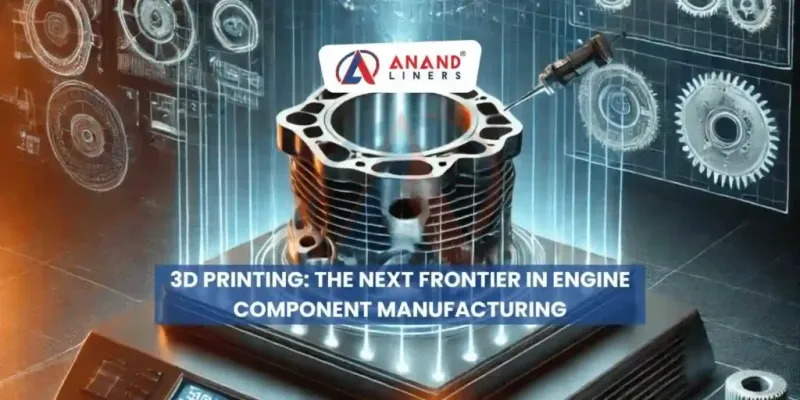
3D Printing: The Next Frontier in Engine Component Manufacturing
Engine component manufacturing is evolving rapidly. Traditional methods have served us well, but new technologies are emerging. Among them, 3D printing stands out as a game-changer. It offers exciting possibilities for producing engine parts like cylinder liners, engine valves, and valve guides. The Rise of 3D Printing in Manufacturing 3D printing, also known as additive manufacturing, builds objects layer by layer. This method contrasts with traditional subtractive techniques, which remove material to create parts. The rise of 3D printing has opened doors for manufacturers to innovate and streamline production. Benefits of 3D Printing for Engine Component Manufacturing There are several benefits to using 3D printing in engine component manufacturing: Design Flexibility: Complex geometries are easier to produce. This allows for the creation of parts that were once impossible or too costly to make. Reduced Waste: Additive manufacturing uses only the material needed. This reduces waste and lowers material costs. Faster Prototyping: New designs can be tested quickly. This accelerates the development cycle and brings products to market faster. Cost Efficiency: For small production runs, 3D printing can be more cost-effective. It eliminates the need for expensive tooling and molds. Impact on Cylinder Liners Production Cylinder liners are crucial for engine performance. With 3D printing, manufacturers can create liners with optimized structures. This can improve heat distribution and reduce wear. Moreover, custom cylinder liners can be produced to meet specific engine requirements. Innovations in Engine Valves and Valve Guides Engine valves and valve guides are vital for controlling airflow and fuel in engines. 3D printing allows for the creation of lightweight yet durable components. This can enhance engine efficiency and performance. In addition, it enables the integration of complex cooling channels within the parts. Challenges and Limitations Despite its advantages, 3D printing faces challenges: Material Limitations: Not all materials are suitable for 3D printing. High-strength alloys used in engine parts may be difficult to print. Surface Finish: Printed parts may require additional finishing processes. This can add time and cost to production. Scale: Large-scale production is still more economical with traditional methods. 3D printing is currently better suited for prototypes and small batches. Future Prospects The future of engine component manufacturing is promising with 3D printing. As technology advances, we can expect: Improved Materials: Development of new printable materials suitable for engine parts. Enhanced Precision: Better printers that offer higher resolution and accuracy. Cost Reduction: Lower costs as technology becomes more widespread. Engine parts manufacturers are investing in research to overcome current limitations. The goal is to integrate 3D printing into mainstream production. Conclusion 3D printing is redefining engine component manufacturing. It offers flexibility, efficiency, and innovation. While challenges exist, the potential benefits are significant. Engine parts like cylinder liners, engine valves, and valve guides stand to gain from this technology. As we move forward, 3D printing will likely become a cornerstone in the production of advanced engine components. For more information about our products, visit our website: https://www.anandliners.com/ Contact Anand Liners today, Call now – +91-98240-84840
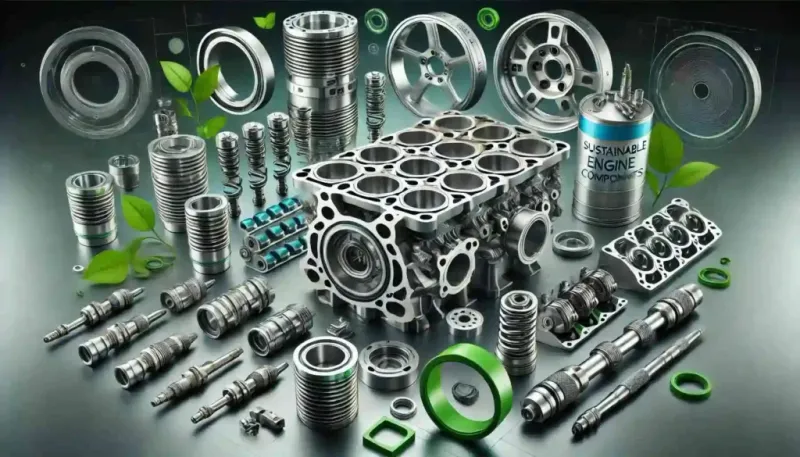
Advancements in Sustainable Materials for Engine Components: Enhancing Performance and Longevity
The automotive and machinery industry is evolving rapidly. Sustainability and efficiency have become crucial in designing and manufacturing engine parts. Engine parts manufacturers are under constant pressure to create components that not only deliver better performance but also align with environmental goals. In this blog, we’ll explore how sustainable materials are transforming the production of critical components like cylinder liners, engine valves, valve guides, valve seats, and anti-polishing rings. Why Sustainable Materials Are the Future? Engine components are traditionally made from metals like cast iron and steel. While durable, these materials have significant environmental impacts. Mining, processing, and manufacturing metal components consume a lot of energy.In response, the industry is exploring alternative materials that require less energy to produce and generate fewer emissions. Newer materials are being developed to replace conventional metals. The goal is to make high-quality, durable components with a lower environmental footprint. Sustainable materials can enhance the performance of engine parts, increasing efficiency and lifespan while reducing the impact on our planet. Key Sustainable Materials Transforming the Industry 1. Composite Materials for Cylinder Liners Cylinder liners play a crucial role in protecting the engine’s cylinders. Traditionally, they’ve been made from cast iron, known for its strength. However, composite materials are now being used as a lightweight, durable alternative. These composites are often reinforced with fibers, improving the liner’s durability and reducing wear. Engine parts manufacturers are also experimenting with ceramic composites for cylinder liners. These materials offer excellent heat resistance, allowing engines to run at higher temperatures without compromising performance. As a result, engines become more efficient, reducing fuel consumption and emissions. 2. High-Strength Alloys for Engine Valves Engine valves regulate the intake and exhaust in an engine. High-strength alloys, like titanium and aluminum, are becoming popular in manufacturing engine valves. These materials are lightweight and corrosion-resistant, ideal for engine components subjected to high temperatures and pressures. Titanium alloys, in particular, offer a longer lifespan compared to traditional steel valves. Using these alloys allows engine parts manufacturers to create valves that are lighter, stronger, and more sustainable. They also improve the engine’s overall efficiency by reducing the energy required to operate. 3. Advanced Ceramics for Valve Guides and Valve Seats Valve guides and valve seats are essential for maintaining valve stability and ensuring a tight seal. Traditionally made from metal, these components can wear down over time, especially in high-performance engines. Advanced ceramics are now being used as a sustainable alternative. Ceramic materials are heat-resistant and have excellent wear properties, making them perfect for high-stress applications. These materials can extend the lifespan of valve guides and valve seats, reducing the need for replacements and minimizing environmental waste. 4. Anti-Polishing Rings with Recyclable Materials Anti-polishing rings are used to prevent the buildup of carbon deposits on the cylinder liner. This helps maintain engine efficiency and extends the liner’s life. Modern anti-polishing rings are being made from recyclable materials, reducing the overall environmental impact of engine production. These rings are designed to be easy to recycle, encouraging engine parts manufacturers to adopt a more sustainable approach. By using recyclable materials, the industry can cut down on waste and lower the carbon footprint associated with engine maintenance and repair. Benefits of Sustainable Materials in Engine Manufacturing Using sustainable materials in engine components offers several advantages. Below are some of the primary benefits: Enhanced Durability: Sustainable materials are designed to last longer, reducing the need for frequent replacements. Heat resistance: Lightweight materials, such as composites and high-strength alloys, improve engine performance by reducing weight and resistance. Reduced Environmental Impact: Sustainable materials require less energy to produce and often generate fewer emissions. Cost Savings: Although some sustainable materials may have a higher upfront cost, they lead to savings in the long term through reduced maintenance. Recycling Potential: Many sustainable materials are recyclable, supporting a circular economy in engine manufacturing. These benefits make sustainable materials a valuable addition to the industry, addressing both performance and environmental concerns. How Engine Parts Manufacturers Are Adapting? Engine parts manufacturers are rapidly adapting to these advancements. They are incorporating sustainable materials into their production processes, focusing on high-quality alternatives to traditional metals. Manufacturers are also investing in research and development to create innovative products like cylinder liners, engine valves, valve guides, valve seats, and anti-polishing rings that meet the latest industry standards. The transition is not without challenges. Sustainable materials often require specialized equipment and expertise to process. However, as technology advances, the cost and complexity of using these materials are decreasing. Engine parts manufacturers are increasingly embracing these changes, aiming to balance performance with sustainability. Challenges in Adopting Sustainable Materials Despite the clear benefits, adopting sustainable materials poses some challenges for manufacturers. These include: Higher Initial Costs: Some sustainable materials can be expensive, which may be a barrier for smaller manufacturers. Limited Availability: Sustainable materials are not as widely available as traditional metals, leading to potential supply chain issues. Processing Difficulties: New materials may require specialized processing, increasing production time and costs. Manufacturers are addressing these challenges through research and partnerships with material suppliers. By working together, they are developing new ways to make sustainable materials more accessible and cost-effective. Future Outlook: The Path Toward a Sustainable Industry The future of engine parts manufacturing lies in sustainable materials. As the industry moves toward reducing its environmental impact, sustainable materials will play a crucial role in achieving these goals. Engine parts manufacturers who adopt sustainable practices can stay ahead in a competitive market, meeting the growing demand for eco-friendly products. With continuous advancements in material science, the potential for innovation is limitless. Future engine components may feature even lighter, stronger, and more sustainable materials. These innovations will further enhance engine efficiency, reduce environmental impact, and extend the life of machinery. Conclusion: The Road to Sustainable Engine Parts The shift towards sustainable materials in engine manufacturing is more than a trend; it’s a necessity. Engine parts manufacturers are embracing new materials that offer performance benefits while protecting the environment. From composite cylinder liners to advanced ceramics in
Innovations in Engine Valve Technology: What’s New in 2024
In the world of internal combustion engines, the engine valve is a small but vital component. Whether in tractors, excavators, or earthmovers, engine valves control the flow of air, fuel, and exhaust gases that power the engine. With the ever-increasing demand for fuel efficiency, emissions reduction, and higher performance, 2024 brings exciting innovations in engine valve technology. These advancements are critical for ensuring that heavy-duty machinery, especially in sectors like agriculture and construction, can meet the challenges of modern industry. In this blog, we’ll explore what’s new in engine valve technology in 2024, focusing on materials, manufacturing techniques, and the role of artificial intelligence (AI) in optimizing valve performance. We’ll also highlight how these innovations benefit industries relying on tractor engine valves, earthmover engine valves, and excavator engine valves. What Are Engine Valves? At the heart of any internal combustion engine are the engine valves. These valves manage the intake of air and fuel as well as the release of exhaust gases from the combustion chamber. Two types of valves are commonly used: intake valves and exhaust valves. The intake valve allows air and fuel into the combustion chamber, while the exhaust valve releases burnt gases after combustion. Engine valves must withstand extreme conditions, including high temperatures and pressures, while maintaining precise timing to ensure engine efficiency. As a result, advancements in valve technology directly contribute to improved engine performance, reduced fuel consumption, and lower emissions. The Need for Innovation in Engine Valve Technology Traditional engine valves have served well for decades, but modern engines face new challenges. Rising fuel costs, stringent emission regulations, and the demand for more powerful yet efficient engines mean that manufacturers must continuously push the boundaries of technology. In 2024, engine valves manufacturers are focusing on innovations that address common problems like wear and tear, heat resistance, and performance under extreme conditions. The industries that rely heavily on precision engine parts, such as agriculture and construction, benefit from these advancements. For example, tractors, earthmovers, and excavators require high-performance valves to operate efficiently, often under intense workloads and for prolonged periods. The ability to enhance valve durability, efficiency, and functionality is a game-changer for these industries. New Materials and Coatings for Engine Valves in 2024 One of the most significant trends in engine valve technology for 2024 is the use of advanced materials and coatings. Traditional materials like steel have been replaced or supplemented with cutting-edge alternatives like titanium alloys and ceramic composites. These materials offer several advantages, including: Lightweight strength: Titanium alloys are much lighter than steel but offer comparable strength, making them ideal for high-performance diesel engines in tractors and excavators. Heat resistance: Ceramic composites can withstand extremely high temperatures without warping or cracking, a crucial feature for earthmover engine valves, where engines generate significant heat. Improved durability: High-strength materials reduce wear and tear, extending the life of the valves and reducing the need for frequent replacements. Another key innovation is the application of specialized coatings to the valves. Coatings like thermal barrier coatings (TBCs) and diamond-like carbon (DLC) provide an extra layer of protection, improving heat dissipation and reducing friction between moving parts. This not only enhances valve performance but also contributes to fuel efficiency and lower emissions. Advanced Manufacturing Techniques in Valve Production Precision is key when manufacturing engine valves, and in 2024, new manufacturing techniques have taken this to the next level. CNC machining and 3D printing are two technologies that have revolutionized how engine parts manufacturers produce valves with unmatched accuracy. CNC machining: Computer numerical control (CNC) machining allows to produce valves with extreme precision. This ensures that each valve is made to exact specifications, which is particularly important for high-performance engines in tractors and earthmovers. 3D printing: Additive manufacturing, or 3D printing, has enabled the creation of complex valve designs that would be impossible with traditional methods. This allows for the development of lighter, more efficient valves that still meet the durability requirements of heavy-duty machinery. For an IATF Certified Manufacturer, adhering to these advanced production techniques is critical. The certification ensures that the manufacturing process meets international quality standards, giving customers confidence in the durability and performance of the precision engine parts they purchase. Enhanced Valve Timing and Performance Optimization Another exciting innovation in 2024 is the development of variable valve timing (VVT) technologies. VVT systems allow for the precise control of valve opening and closing times based on engine speed and load. This optimization improves engine performance by adjusting to real-time driving conditions, leading to: Better fuel efficiency: By optimizing the air-fuel mixture and combustion process, VVT reduces fuel consumption, which is especially beneficial for industries reliant on tractor engine valves. Lower emissions: Proper valve timing ensures more complete combustion, reducing the number of pollutants released into the environment. Enhanced engine performance: VVT helps engines deliver more power when needed while maintaining efficiency during lighter workloads. This technology is a major leap forward, especially for earthmovers and excavators, where engines need to perform under varying loads and environmental conditions. The Role of AI and Data Analytics in Valve Design One of the most futuristic developments in valve technology is the use of artificial intelligence (AI) and data analytics. These technologies are being applied in several ways to improve valve design and performance: Predictive maintenance: AI systems can monitor valve performance in real time, identifying signs of wear or malfunction before they lead to engine failure. This is particularly useful in heavy-duty machinery, where downtime can be costly. Optimized valve design: AI algorithms analyze data from engine performance tests to design valves that offer optimal airflow, fuel efficiency, and durability. Improved testing and validation: AI-powered simulations help manufacturers test valve designs under various conditions, ensuring they meet the rigorous demands of engines used in tractors, earthmovers, and excavators. These advancements ensure that the next generation of engine valves not only performs better but also lasts longer, providing a significant return on investment for industries that depend on them. Industry Applications of New Valve Technologies The innovations in
Understanding the Role of Cylinder Liners in Modern Diesel Engines
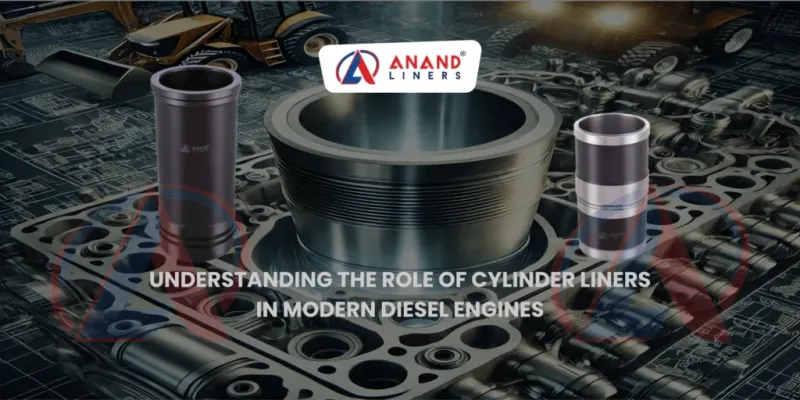
Diesel engines are the backbone of heavy-duty vehicles and machinery, powering everything from tractors and excavators to trucks and earthmovers. To keep these machines running efficiently, the quality and durability of their engine components are paramount. Among the most critical components in a diesel engine are the cylinder liners. These liners play an essential role in maintaining engine performance and longevity, especially in high-performance diesel engines. In this blog, we’ll explore the importance of cylinder liners, how they function, and why using high-quality materials and precision engineering is crucial for modern diesel engines. We’ll also touch on the benefits of choosing a reliable engine parts manufacturer for your cylinder liners. What are Cylinder Liners? Cylinder liners, also known as cylinder sleeves, are hollow, tube-like components that fit into the engine block and form the interior of the engine cylinder. Their primary function is to provide a smooth surface for the piston to move within, ensuring minimal friction and wear. In modern diesel engines, cylinder liners help manage heat, oil consumption, and prevent engine damage caused by high pressure and temperature. There are two main types of cylinder liners: wet liners, dry liners and air-cooled blocks. Wet liners are in direct contact with the engine coolant, allowing for better heat dissipation, while dry liners are fitted directly into the engine block, offering a simpler and less costly alternative. The Importance of Cylinder Liners in Diesel Engines Cylinder liners are critical for the efficient operation of diesel engines, especially in heavy-duty applications such as tractors, earthmovers, and excavators. They perform several key functions: Heat Management: Diesel engines operate at high temperatures, particularly in heavy-duty machinery. Cylinder liners play an essential role in dissipating heat, helping to prevent the engine from overheating. This is especially important for engines that run continuously for long periods, such as those found in tractors and excavators. Wear Resistance: The constant movement of the piston inside the cylinder generates significant friction. Over time, this friction can cause wear and tear on the engine block, leading to decreased performance and costly repairs. Cylinder liners protect the engine by offering a durable, replaceable surface that reduces wear on the engine block. Oil Control: Cylinder liners help regulate oil consumption by maintaining a tight seal between the piston rings and the cylinder wall. This prevents oil from leaking into the combustion chamber, ensuring that the engine runs smoothly and efficiently. Compression Management: Diesel engines rely on high compression to ignite fuel and produce power. Cylinder liners help maintain the integrity of the combustion chamber, ensuring proper compression and preventing blow-by, which occurs when combustion gases escape into the crankcase. Key Factors in High-Performance Diesel Engines High-performance diesel engines, such as those used in earthmover engine parts and excavator engine parts, are subject to extreme conditions, including high pressures and temperatures. To withstand these conditions, cylinder liners must be made from materials that offer exceptional strength, durability, and thermal stability. In modern engines, cylinder liners are subjected to intense mechanical stress, and any failure in these components can lead to engine breakdowns. This makes it essential to choose cylinder liners that are specifically designed for high-performance applications, manufactured to precision, and made from high-quality materials. Quality Materials and Their Benefits When it comes to cylinder liners, not all materials are created equal. High-quality materials, such as cast iron and alloy steel, offer superior strength, durability, and resistance to heat and wear. These materials are often preferred in high-performance diesel engines because they can handle the extreme conditions found in tractors, earthmovers, and excavators. Using high-quality materials for cylinder liners offers several benefits: Improved Durability: High-quality materials are more resistant to wear and tear, meaning that the liners will last longer, even in harsh environments. Better Heat Resistance: In diesel engines, temperature fluctuations are common, and poor-quality materials can warp or crack under the strain. Premium materials help cylinder liners maintain their shape and performance under high heat. Reduced Friction: High-grade materials offer a smoother surface, reducing friction between the piston and the cylinder wall. This results in less wear, improved engine efficiency, and lower fuel consumption. The Role of Advanced Manufacturing Techniques Precision in manufacturing is critical to producing high-quality cylinder liners. At Anand Liners, an IATF Certified Manufacturer of precision engine parts, advanced manufacturing techniques such as CNC machining and honing are used to ensure that each cylinder liner is crafted to exact specifications. This level of precision is necessary to meet the demands of modern diesel engines, where even the smallest deviation in dimensions can lead to poor performance or engine failure. The combination of precision engineering and high-quality materials ensures that the cylinder liners produced by Anand Liners meet the rigorous demands of diesel engines in tractors, earthmovers, and excavators. Common Signs of Worn or Damaged Cylinder Liners Even the best cylinder liners will eventually wear out. Knowing the signs of wear or damage can help prevent costly repairs and engine breakdowns. Here are some common symptoms to look out for: Excessive Oil Consumption: If you notice that your diesel engine is using more oil than usual, it could be a sign that the cylinder liners are worn and no longer providing an adequate seal. Loss of Compression: A decrease in engine power or performance may indicate that the liners are no longer maintaining proper compression within the combustion chamber. : If the engine is overheating, it could be due to worn cylinder liners that are no longer effectively managing heat. If you notice any of these symptoms, it’s important to consult an expert and consider replacing the cylinder liners to prevent further damage to your engine. Choosing the Right Cylinder Liners for Your Diesel Engine Selecting the right cylinder liners for your diesel engine is essential to ensure optimal performance and longevity. When choosing liners, consider factors such as the type of engine, the operating conditions, and the material quality. It’s also important to choose a reputable engine parts manufacturer that adheres to stringent quality standards. Anand
How Cylinder Liners Are Fitted in Diesel Engines: A Step-by-Step Guide
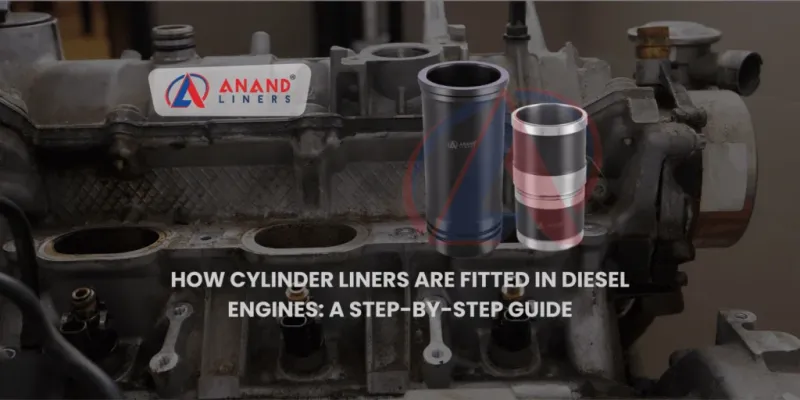
How Cylinder Liners Are Fitted in Diesel Engines – Cylinder liners are essential components in diesel engines, providing a durable and replaceable surface within the engine block where the piston operates. Proper installation of cylinder liners is crucial for the engine’s performance, longevity, and efficiency. In this blog, we’ll explore the step-by-step process of fitting a cylinder liner in a diesel engine and why precision is key. Understanding the Role of Cylinder Liners Cylinder liners, also known as sleeves, are cylindrical inserts that fit into the engine block. They create a wear-resistant surface for the piston to move against, minimizing friction and wear. Cylinder liners also play a role in heat dissipation and sealing, ensuring optimal combustion and engine performance. There are two main types of cylinder liners: Wet Liners: These are in direct contact with the engine’s coolant, providing better cooling but requiring more complex sealing. Dry Liners: These are not in direct contact with the coolant and are pressed into the engine block, providing a simpler installation. Tools and Materials Needed Before starting the fitting process, it’s essential to have the right tools and materials: Cylinder liners Measuring instruments (micrometer, bore gauge) Honing tool Liner puller or installer Engine oil or assembly lubricant Clean cloths or wipes Coolant and sealing compound (for wet liners) Step-by-Step Process to Fit a Cylinder Liner Prepare the Engine Block Clean the Cylinder Bore: Start by thoroughly cleaning the cylinder bore where the liner will be fitted. Remove any dirt, debris, or old gasket material to ensure a smooth and clean surface. Inspect the Bore: Use a bore gauge to measure the cylinder bore’s diameter and roundness. Ensure it meets the manufacturer’s specifications. Any deviations could affect the liner’s fit and engine performance. Measure the Cylinder Liner Check Dimensions: Measure the cylinder liner’s outer diameter using a micrometer. Compare it with the engine block’s bore diameter to ensure a proper fit. The liner should have a slight interference fit for dry liners, meaning it is slightly larger than the bore. Check for Defects: Inspect the liner for any manufacturing defects, cracks, or uneven surfaces. Heat the Engine Block (If required) Thermal Expansion: For a more secure fit, the engine block can be gently heated to allow the liner to slide in more easily. This is particularly useful for dry liners. Be careful not to overheat, as this could warp the engine block. Install the Cylinder Liner Lubricate the Liner: Apply a thin layer of engine oil or assembly lubricant to the liner’s outer surface. This reduces friction and helps with fitting. Align and Insert: Carefully align the liner with the cylinder bore and insert it gently. Use a liner installer or a press to ensure it goes in straight. For wet liners, ensure the sealing rings or O-rings are properly in place. Press Fit: If the liner is a dry type, press it into the bore using a suitable tool. Ensure it is seated correctly and flush with the engine block surface. Check Alignment: After fitting, check that the liner is properly aligned and seated. There should be no gaps between the liner and the engine block. Hone the Cylinder Liner Honing Process: Use a honing tool to slightly roughen the liner’s inner surface. This process creates a cross-hatch pattern that helps retain oil on the cylinder walls, reducing wear and improving piston ring sealing. Clean the Liner: After honing, clean the liner thoroughly to remove any metal particles or debris. Final Inspection and Adjustment Check Protrusion: Measure the liner’s protrusion above the engine block. It should match the manufacturer’s specifications, ensuring proper sealing with the cylinder head. Adjust If Necessary: If the liner is too high or low, adjustments may be needed. This could involve machining the liner or the engine block. Reassemble the Engine Install Gaskets and Seals: Place the necessary gaskets and seals around the liner if required. For wet liners, ensure a proper seal to prevent coolant leaks. Reassemble Components: Reassemble the engine components, including the cylinder head, pistons, and connecting rods. Test the Engine Initial Testing: Once reassembled, run the engine to check for any leaks, abnormal noises, or other issues. Pay close attention to the coolant and oil levels, especially if you’ve installed wet liners. Break-In Period: Allow the engine to go through a break-in period where the liner and piston rings seat properly. Monitor the engine’s performance during this time. Why Precision Matters Fitting a cylinder liner is a delicate process that requires precision and attention to detail. Any mistakes during installation can lead to poor engine performance, increased wear, and even engine failure. By following the steps outlined above and adhering to manufacturer specifications, you can ensure that the cylinder liner is fitted correctly, contributing to the engine’s longevity and efficiency. Conclusion Cylinder liners play a critical role in the performance and durability of diesel engines. Proper fitting involves careful measurement, preparation, and installation. Whether dealing with wet or dry liners, ensuring a precise fit will help maintain the engine’s integrity and performance over time. For those looking to replace or fit cylinder liners, it’s advisable to consult with professionals or refer to the specific engine’s manual to ensure all procedures are followed correctly. Do you need high-quality cylinder liners for your engine? Check out Anand Liners (India) Pvt. Ltd. For more information about our products, visit our website: https://www.anandliners.com/ Call now – +91-98240-84840
Cylinder Liners and Sleeves: Are They the Same?
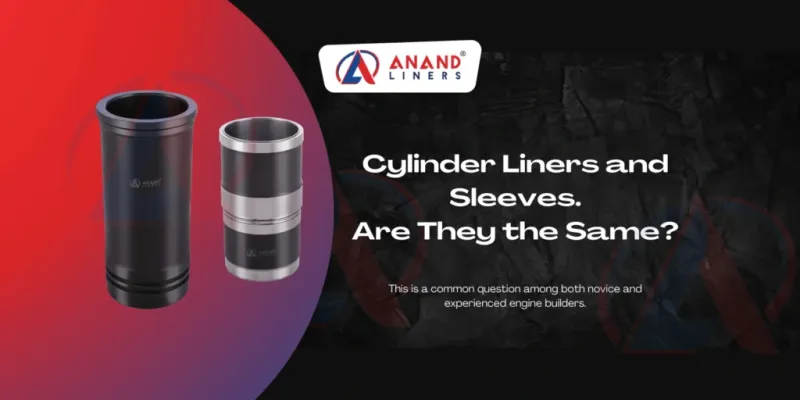
Introduction – When it comes to engine components, cylinder liners and cylinder sleeves are often used interchangeably, but are they truly the same thing? This is a common question among both novice and experienced engine builders. While they serve similar functions in many cases, there are some important distinctions to understand. In this blog, we’ll break down the differences and the roles they play in an engine. What Are Engine Liners and Sleeves? At a basic level, liners and sleeves are cylindrical inserts placed inside the engine block. Their primary function is to form the surface that the piston moves up and down within, enduring tremendous pressure and heat. Liners: Typically, liners refer to replaceable inserts that fit into the engine block. They are often used in heavy-duty engines like trucks, marine engines, and industrial applications. Liners allow for easy replacement, extending the engine’s lifespan without having to replace the entire block. Sleeves: Sleeves, on the other hand, are usually press-fit into the cylinder bore and are often permanent. They can be installed when the original bore is damaged or worn out, restoring it to its correct dimensions. Are They Interchangeable? The terms “liners” and “sleeves” are often used to describe the same part because they both perform a similar function in an engine: protecting the cylinder bore from wear and tear. However, their installation method and application often differentiate them. Replaceability: Liners are typically easier to replace in large engines, while sleeves tend to be permanent unless removed with special machining. Application: Liners are usually found in industrial or high-performance engines, whereas sleeves are more common in smaller, mass-produced engines. Construction: Liners are often made from centrifugally cast iron, while sleeves can be cast iron or even made from advanced materials like aluminum alloys depending on the engine’s requirements. Benefits of Using Liners and Sleeves Both liners and sleeves help in reducing the cost of maintenance over time. Here’s why: Engine Life Extension: Installing a liner or sleeve can help restore the engine to like-new condition without replacing the entire block. Cost-Effective Repair: Sleeves offer an affordable way to repair damaged cylinders. Liners provide an easy-to-replace option in larger engines. Improved Durability: High-quality materials like cast iron and aluminum improve resistance to wear, corrosion, and high temperatures. Is a Hole Just a Hole? A common saying in machine shops is “a hole is just a hole,” but when it comes to engines, the precision of that hole is crucial. The tolerances in a cylinder bore, the type of material used, and how it’s treated—all play a role in the engine’s performance and durability. Precision is key – Liners and sleeves are machined to incredibly tight tolerances. A poorly installed or misaligned liner or sleeve can lead to performance issues, including reduced compression, overheating, and even catastrophic engine failure. Material matters – The choice between cast iron, ductile iron, or an advanced aluminum alloy isn’t just about durability. The thermal properties of these materials affect how the engine handles heat and pressure, particularly in high-performance or high-stress environments. Conclusion While liners and sleeves may serve the same general function, they differ in terms of application, material, and installation. Whether you’re a hobbyist or a professional engine builder, understanding these differences can help you make informed decisions for maintaining or upgrading engines. To answer the original question: No, a liner and a sleeve are not exactly the same thing, and in the world of engine mechanics, precision and material choice make all the difference. Do you need high-quality liners and sleeves for your engine? Check out Anand Liners (India) Pvt. Ltd. For more information about our products, visit our website: https://www.anandliners.com/ Call now – +91-98240-84840
Maximizing Engine Durability: The Role of High-Quality Cylinder Liners
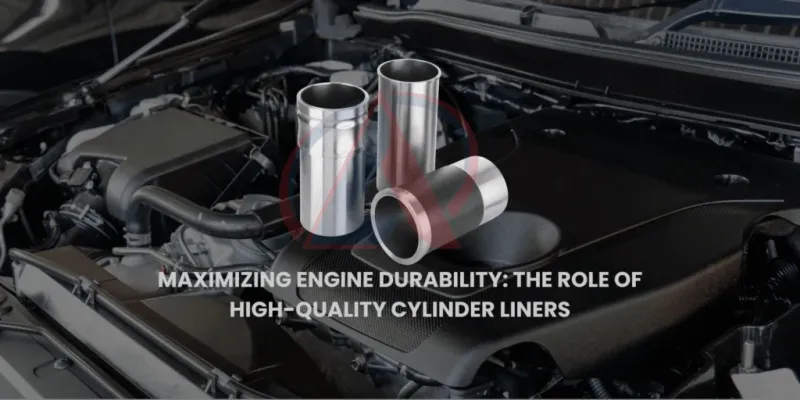
Introduction Maximizing engine durability with cylinder liners and other engine parts is crucial for any vehicle’s performance and longevity. At the heart of every robust engine lies a vital component: the cylinder liner. These components serve as the protective barriers between the piston and the engine block, ensuring smooth operation and preventing wear and tear. In this post, we will explore the significant role that high-quality cylinder liners play in maximizing engine durability, detailing their benefits, manufacturing processes, and maintenance tips to ensure long-lasting performance. What Are Cylinder Liners? Cylinder liners are cylindrical components that are inserted into the engine block to form the walls of the cylinders in which the pistons move. They provide a smooth surface for the pistons to travel against while also acting as a protective barrier that prevents direct contact between the piston and the engine block. There are two main types of cylinder liners: dry cylinder liners and wet cylinder liners. Dry cylinder liners are fitted into the engine block and do not come into contact with coolant, while wet cylinder liners are designed to allow coolant to flow around them, helping to regulate engine temperature. Both types are essential for maintaining engine efficiency and preventing overheating. Key Benefits of High-Quality Cylinder Liners Investing in high-quality cylinder liners brings numerous advantages that significantly contribute to engine durability: Increased Engine Life: Premium cylinder liners are engineered to reduce wear and tear on engine components, allowing for longer engine life. They provide a smoother surface for pistons to glide against, minimizing friction and extending the lifespan of both the liners and the engine itself. Heat Resistance and Thermal Stability: High-quality cylinder liners are made from materials that can withstand high temperatures and thermal fluctuations. This capability helps manage heat dissipation, preventing engine overheating and associated damage. Improved Fuel Efficiency: Precision-engineered cylinder liners reduce friction between the piston and liner, enhancing fuel efficiency. With less energy lost to friction, engines can operate more efficiently, leading to better fuel economy and lower emissions. Reduced Maintenance Costs: Durable cylinder liners help minimize the need for frequent repairs and part replacements. This reduction in maintenance translates to significant cost savings for vehicle owners and manufacturers alike. Materials and Manufacturing Techniques for Superior Cylinder Liners The quality of cylinder liners is heavily influenced by the materials used and the manufacturing processes employed. Materials: Common materials for high-quality cylinder liners include cast iron, steel alloys, and advanced composite materials. These materials are selected for their strength, heat resistance, and wear properties. Manufacturing Processes: Advanced techniques such as centrifugal casting ensure uniform thickness and high durability in cylinder liners. This process allows for the creation of liners with superior mechanical properties and consistency. Surface Treatments: Surface treatments, including nitriding and chromium plating, enhance the wear resistance of cylinder liners. These coatings provide additional protection against corrosion and abrasive wear, extending the lifespan of the liners. The Role of Cylinder Liners in Different Engine Types Cylinder liners play a critical role in various engine types, each with distinct requirements: Gasoline vs. Diesel Engines: Diesel engines typically operate at higher pressures and temperatures than gasoline engines, necessitating more robust cylinder liners. High-quality liners are essential to withstand the increased stress and prevent premature failure. High-Performance Engines: In high-performance engines, such as those used in racing or heavy-duty applications, cylinder liners must be engineered to handle extreme conditions. Manufacturers often tailor liners specifically for these engines to ensure optimal performance and durability. Air-Cooled Blocks: In air-cooled engines, the design and material of cylinder liners become critical for heat dissipation. High-quality liners help manage the heat generated during operation, ensuring the engine runs smoothly and efficiently. Industrial and Heavy-Duty Vehicles: In industrial applications, cylinder liners must be designed to endure prolonged use and harsh operating conditions. Reliable liners are crucial for heavy-duty vehicles that rely on robust engines to perform consistently under stress. Choosing the Right Cylinder Liner Manufacturer Selecting an IATF certified manufacturer for cylinder liners is essential to ensure quality and reliability. When evaluating cylinder liner suppliers, consider the following factors: Materials and Engineering: Look for manufacturers that use high-quality materials and have a strong focus on precision engineering. Quality materials lead to better performance and durability. Certifications and Standards: Verify that the manufacturer adheres to industry standards and holds relevant certifications, such as IATF, which indicates a commitment to quality management. R&D Capabilities: Companies with robust research and development capabilities are more likely to innovate and provide the latest advancements in cylinder liner technology. By partnering with a trusted manufacturer, engine parts manufacturers and vehicle owners can ensure consistent performance and compliance with industry standards. Maintenance Tips for Prolonging the Lifespan of Cylinder Liners Proper maintenance is key to extending the lifespan of cylinder liners and ensuring optimal engine performance. Here are some best practices: Routine Inspections: Regularly inspect cylinder liners for signs of wear and damage. Early detection of issues can prevent more significant problems down the road. Lubrication: Ensure proper lubrication of the engine to minimize friction between the piston and cylinder liner. High-quality oil can significantly enhance the performance and lifespan of engine components. Cooling System Maintenance: Keep the engine’s cooling system in good working order to prevent overheating. Check coolant levels and ensure that the cooling system is functioning efficiently. By implementing these maintenance tips, vehicle owners and manufacturers can help prolong the life of their cylinder liners and maintain overall engine health. Conclusion High-quality cylinder liners are essential for maximizing engine durability and efficiency. By understanding the benefits of investing in premium liners, the materials and manufacturing techniques involved, and the importance of selecting a reliable manufacturer, engine parts manufacturers and vehicle owners can make informed decisions. Prioritizing quality and proper maintenance of cylinder liners will lead to longer-lasting, more efficient engines, ultimately resulting in reduced costs and enhanced performance. To explore the best solutions for enhancing engine durability, contact a trusted cylinder liners manufacturer today. For more information about our products, visit our website: https://www.anandliners.com/ Call now
Navigating Industry Trends: What’s Next for Automobile Engine Parts Manufacturers

The automobile engine parts manufacturing industry is at a pivotal moment, with technological advancements and shifting market demands rapidly transforming how manufacturers operate. Staying updated on industry trends is more critical than ever to ensure competitiveness and long-term success. In this post, we’ll explore the key trends shaping the future of engine parts manufacturing and offer insights on how businesses, particularly IATF certified manufacturers, can adapt to thrive in this changing landscape. 1. Rise of Electric and Hybrid Vehicles One of the most significant shifts in the automotive industry is the rapid adoption of electric and hybrid vehicles. As governments worldwide push for reduced carbon emissions and consumers become more environmentally conscious, electric vehicles (EVs) and hybrid models are growing in popularity. This trend is reshaping the demand for traditional internal combustion engine (ICE) components, such as cylinder liners, cylinder sleeves, and engine valves. For an engine parts manufacturer, this shift presents both a challenge and an opportunity. The reduced demand for ICE parts means companies that rely heavily on these components may see declining sales in the coming years. However, those willing to innovate can capitalize on the growing market for electric motor components, battery-related systems, and hybrid-specific parts. To stay competitive, IATF certified manufacturers should consider investing in research and development (R&D) to diversify their product offerings. Electric powertrains require entirely different components, such as electric motors, inverters, and battery cooling systems, opening up a new avenue for growth. By staying ahead of the curve, manufacturers can future-proof their businesses and continue to serve the evolving needs of the automotive market. 2. Stricter Emission Standards and Environmental Regulations Stricter emission standards are being implemented worldwide, pushing automakers and their suppliers to rethink engine design and production processes. In regions like Europe and the U.S., regulations such as Euro 7 and new emissions guidelines from the Environmental Protection Agency (EPA) are setting higher standards for fuel efficiency and lower emissions. These regulations directly impact engine parts manufacturers, as they drive the need for more efficient engine designs and environmentally friendly materials. Companies that specialize in ICE components must explore ways to reduce the carbon footprint of their products. Cylinder liners, engine valves, and cylinder sleeves are among the parts that will need to meet stricter performance and emission requirements. For IATF certified manufacturers, this presents an opportunity to become industry leaders in eco-friendly engine technologies. By prioritizing sustainable practices and materials, companies can not only comply with regulations but also appeal to automakers looking to enhance the environmental performance of their vehicles. 3. Advanced Manufacturing Technologies The rise of Industry 4.0 has ushered in a wave of advanced manufacturing technologies that are reshaping how engine parts are produced. Automation, artificial intelligence (AI), and robotics are increasingly being adopted by manufacturers to streamline operations, improve efficiency, and reduce costs. One of the most exciting developments is the use of 3D printing for rapid prototyping and even end-use production. 3D printing allows manufacturers to quickly produce complex engine parts, such as cylinder sleeves and engine valves, test new designs, and bring products to market faster. This technology can also lead to reduced waste, as parts can be printed on-demand, minimizing excess inventory. Data-driven manufacturing is another key trend. The use of sensors and Internet of Things (IoT) devices allows manufacturers to collect real-time data from machinery, enabling predictive maintenance and reducing downtime. AI algorithms can analyze this data to optimize production schedules, detect quality issues before they escalate, and improve overall manufacturing efficiency. By embracing these technologies, IATF certified engine parts manufacturers can improve product quality, reduce operational costs, and meet the increasing demands for precision and speed in production. 4. Global Supply Chain Shifts Global supply chain disruptions have become a significant concern for manufacturers across industries, and the automobile engine parts sector is no exception. Geopolitical tensions, natural disasters, and the COVID-19 pandemic have highlighted the vulnerabilities in traditional supply chains. For engine parts manufacturers, these disruptions can lead to delays in sourcing raw materials, increased shipping costs, and extended lead times. To mitigate these risks, many companies are exploring strategies such as reshoring production, diversifying suppliers, and establishing local partnerships. Reshoring, or bringing manufacturing operations back to the home country, has become an attractive option for manufacturers looking to reduce their dependence on foreign suppliers. This approach can shorten supply chains, reduce shipping costs, and provide greater control over production processes. Additionally, diversifying suppliers by working with vendors from different regions can help reduce the impact of disruptions in any one area. Developing more resilient and flexible supply chains will be essential for manufacturers aiming to navigate future global uncertainties. 5. Increasing Focus on Sustainability Sustainability is no longer a niche concern; it has become a core focus for consumers, regulators, and businesses alike. In the automotive industry, there is growing demand for sustainable practices in both vehicle production and the sourcing of parts. IATF certified manufacturers can play a critical role in reducing the environmental impact of vehicle production. By adopting energy-efficient manufacturing processes, using renewable energy sources, and reducing waste, companies can significantly lower their carbon footprints. Some manufacturers are also exploring the circular economy model, which emphasizes recycling and reusing materials to minimize waste. For manufacturers of parts like cylinder liners, cylinder sleeves, and engine valves, embracing sustainable practices can also boost competitiveness. Consumers are increasingly choosing brands that align with their environmental values, meaning sustainable practices can enhance brand reputation and customer loyalty. 6. Customization and Niche Markets As consumers seek more personalized vehicles, the demand for customized and niche engine parts is on the rise. Whether it’s performance tuning, vintage car restoration, or industrial vehicle components, there are growing opportunities for manufacturers to serve specialized markets. Customization allows manufacturers to differentiate themselves from competitors by offering unique, tailored solutions. This could range from high-performance parts for racing enthusiasts to hard-to-find components for vintage cars, like custom engine valves or cylinder liners. Niche markets may be smaller in scale, but they often have
Anand Liners: Your One-Stop Shop for High-Performance Spiny Lock Sleeves for Aluminum Engine Blocks
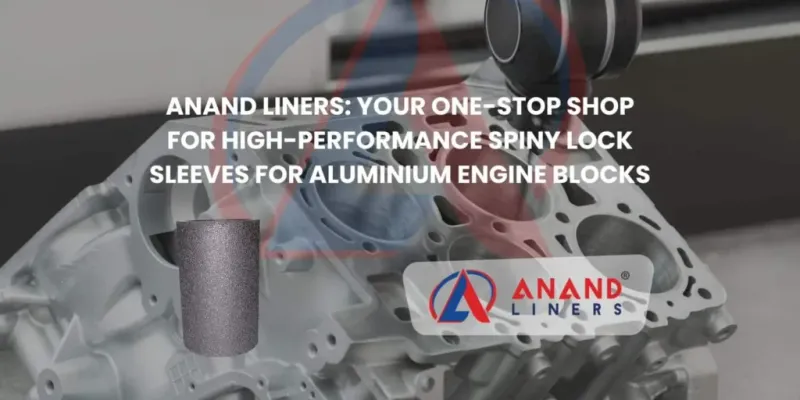
At Anand Liners, we understand the importance of pushing the boundaries of engine performance. That’s why we’re proud to offer a premium line of spiny lock sleeves specifically designed for aluminum engine blocks. Aluminum Engine Blocks: Potential and Challenges Aluminum engine blocks have become increasingly popular in recent years due to their inherent advantages. Aluminum offers a significant weight reduction compared to traditional cast iron blocks, translating to improved fuel efficiency and overall vehicle performance. Additionally, aluminum’s superior heat dissipation properties contribute to cooler engine operating temperatures, promoting engine longevity. However, the inherent softness of aluminum presents a challenge for cylinder wall integrity, especially in high-performance applications. This is where spiny lock sleeves come into play. Explore our Spiny Lock Sleeves: The Marriage of Strength and Efficiency Spiny lock sleeves are thin-walled liners made from high-strength cast iron or steel alloys. These liners are inserted into the cylinder bores of aluminum engine blocks, providing several crucial benefits: Enhanced Wear Resistance: The superior hardness of cast iron or steel alloys in spiny lock sleeves significantly improves wear resistance compared to aluminum cylinder walls. This reduces friction between the piston rings and cylinder walls, leading to less engine wear and tear, and ultimately, a longer engine lifespan. Boosted Engine Strength: Spiny lock sleeves act like a metal reinforcement for the aluminum block, improving its overall strength and rigidity. This allows engines to handle the higher cylinder pressures associated with performance applications without compromising block integrity. Optimized Heat Transfer: The use of high-conductivity materials like cast iron in spiny lock sleeves promotes better heat transfer away from the engine block. This helps maintain optimal engine operating temperatures, reducing the risk of overheating and maximizing engine performance. Weight Savings Advantage: Aluminum engine blocks are inherently lighter than their cast iron counterparts. Spiny lock sleeves allow you to retain this weight advantage while achieving the necessary strength and durability for your engine’s cylinder walls. Anand Liners: The Spiny Lock Sleeve Experts At Anand Liners, we are committed to providing our customers with the highest quality engine components. Our spiny lock sleeves are manufactured to the strictest tolerances using premium materials and cutting-edge machining techniques. This ensures a perfect fit within your aluminum engine block and maximizes the performance benefits. Here’s what sets Anand Liners apart: Unmatched Quality: We use only the finest materials and rigorous quality control procedures to guarantee the exceptional performance and durability of our spiny lock sleeves. Varied Options: We offer a wide range of spiny lock sleeves in various sizes and thicknesses to cater to diverse engine applications and performance requirements. Expert Support: Our team of knowledgeable professionals is always happy to assist you in choosing the perfect spiny lock sleeves for your specific engine build. Unlocking Peak Performance with Anand Liners By incorporating Anand Liners’ high-performance spiny lock sleeves into your aluminum engine block, you’ll experience a noticeable improvement in: Engine power and torque output Reduced wear and tear Enhanced engine durability Improved fuel efficiency (due to weight reduction) Recognizing the diversity of engines in the market, Anand Liners provides tailored solutions for various engine types. Whether it’s a heavy-duty truck or a compact car, our cylinder liners are designed to suit different engines. This versatility ensures that the benefits of reduced diesel consumption extend across a wide range of vehicles. Upgrade your aluminum engine block with the confidence of Anand Liners’ spiny lock sleeves. Contact us today to discuss your specific needs and unlock the true potential of your engine! For more information about our products, visit our website: https://www.anandliners.com/ Call now – +91-98240-84840

