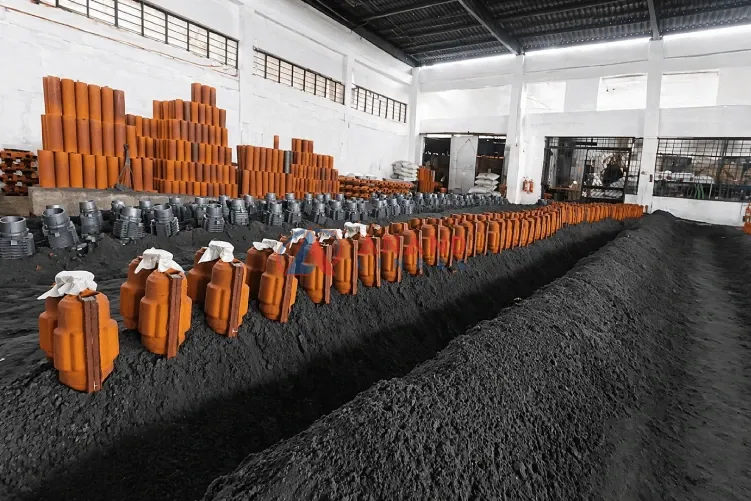
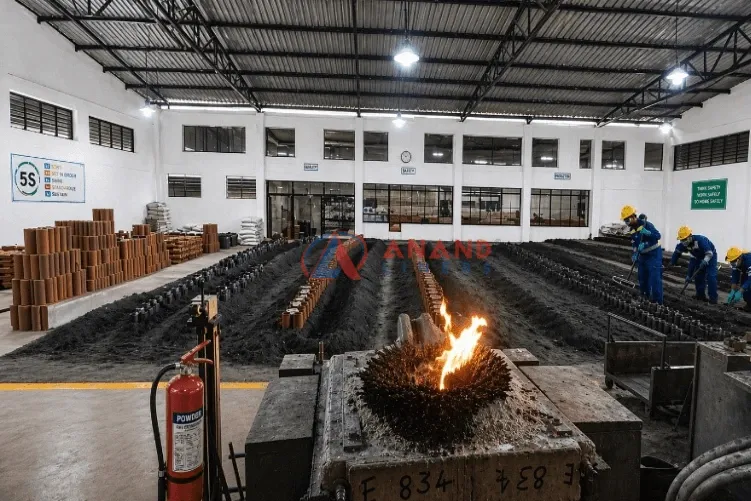
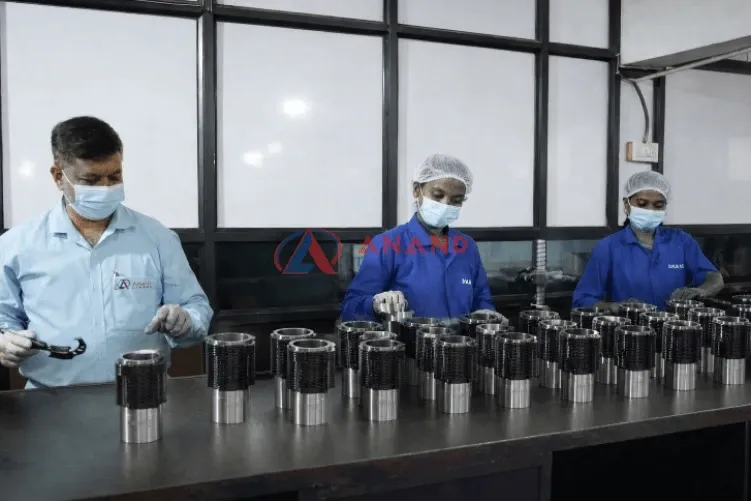
A high-precision casting method using resin-coated sand, delivering smooth surface finish and tight tolerances for critical components.


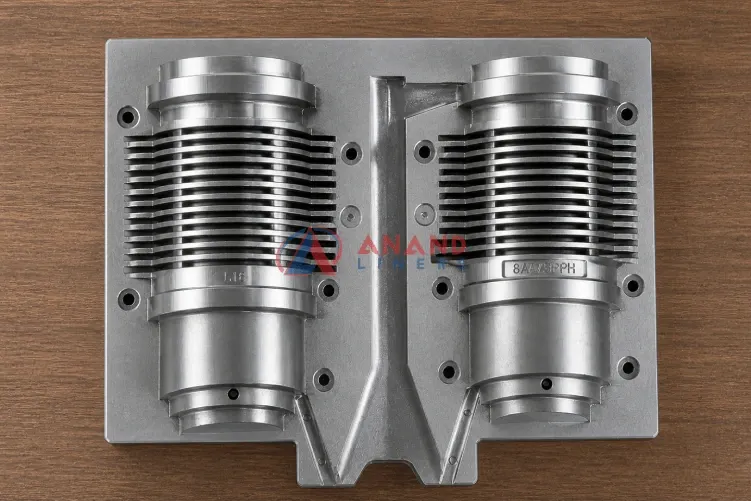
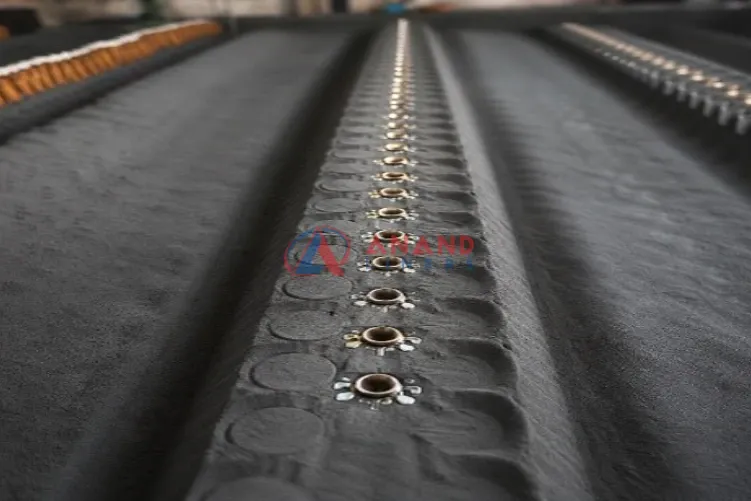
At ANAND LINERS, precisely machined metal pattern (core box and shell pattern) are first cleaned and coated with release agent.

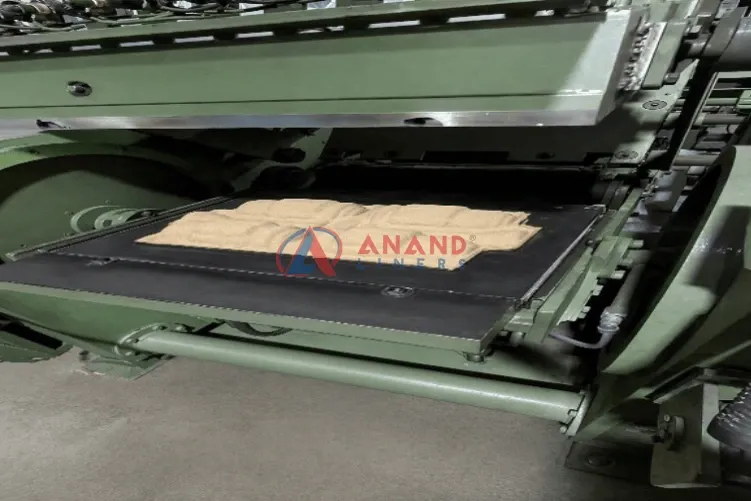
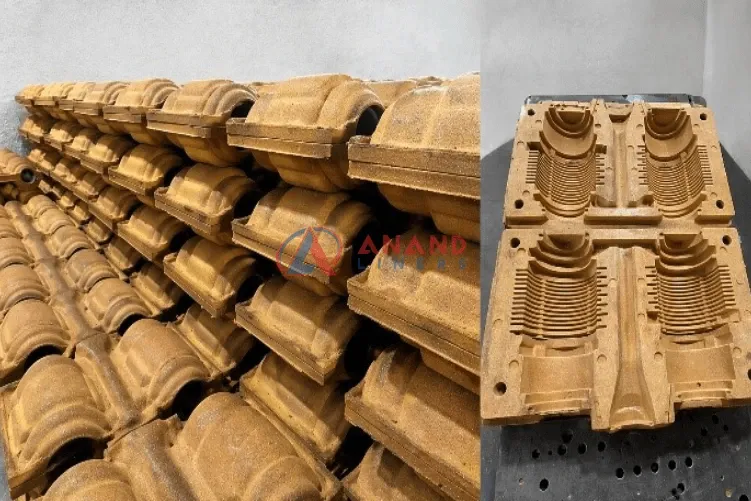
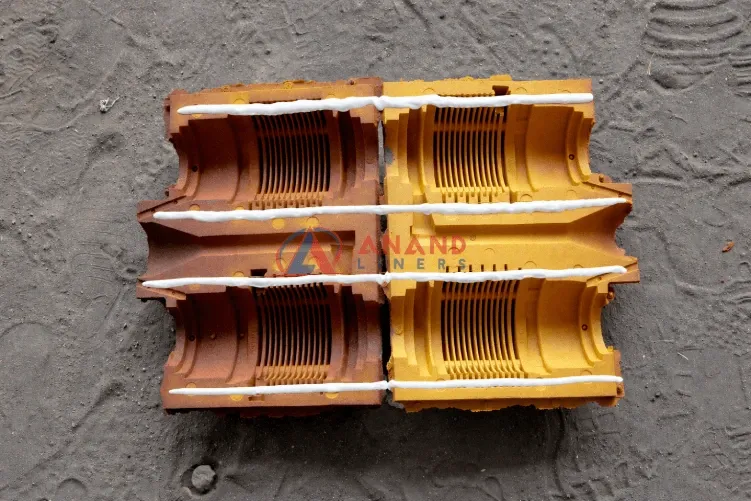
Fine silica sand is coated with thermosetting phenolic resin.
Sand mixture provides:
This sand is stored in dry condition before use.


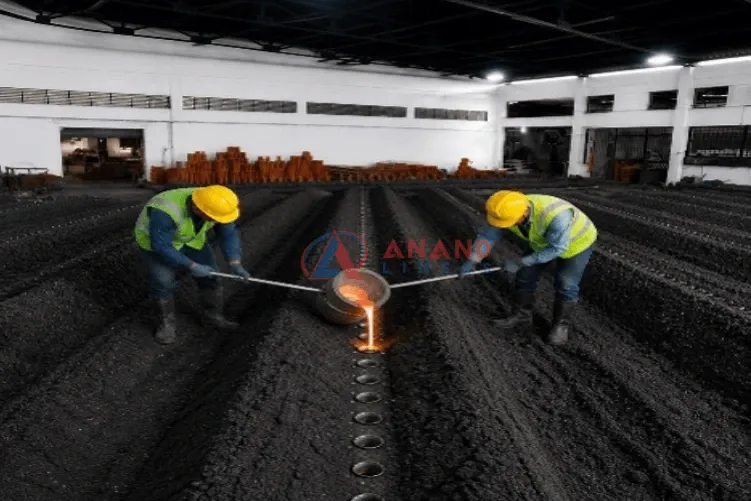
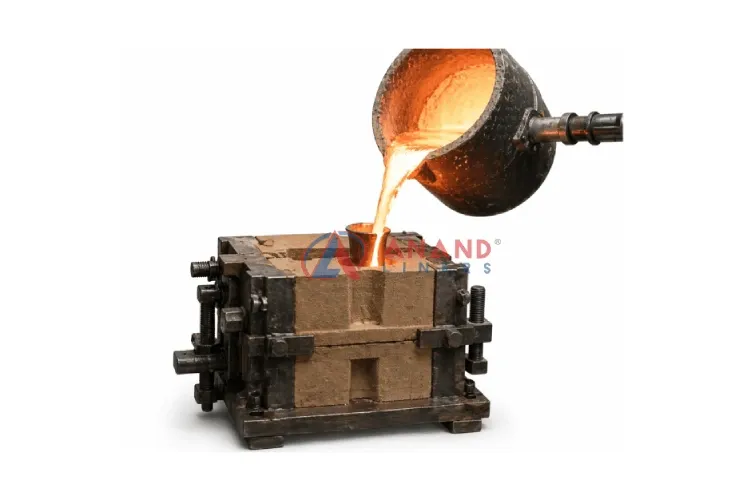
Proper pouring ensures:


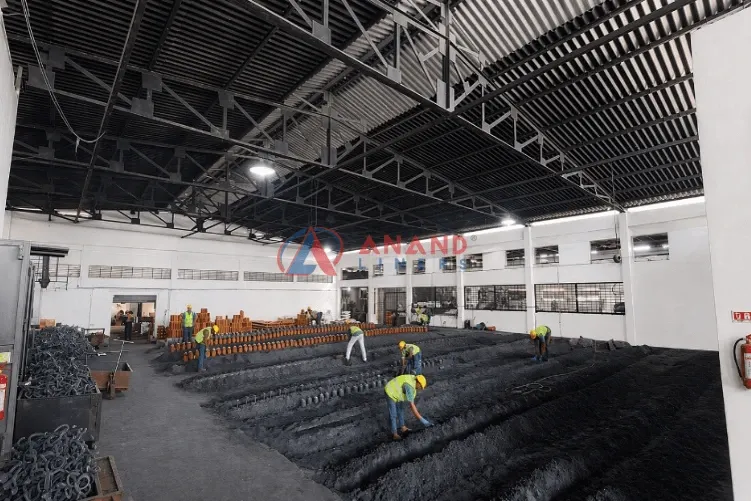
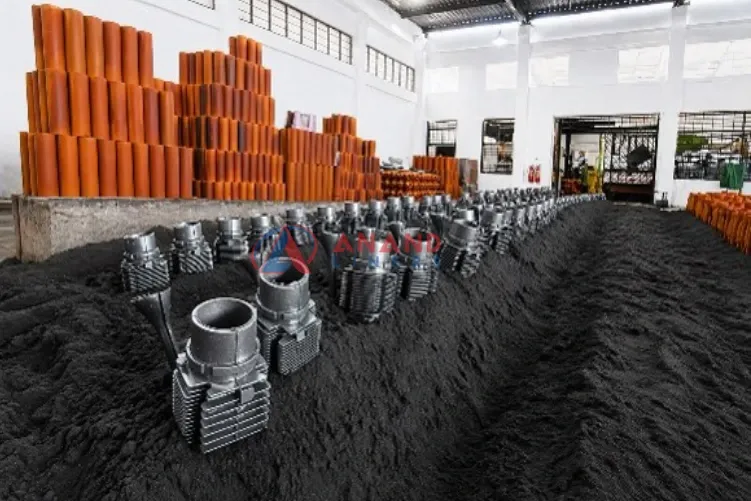
Casting is allowed to cool and solidify inside mould.
Cooling rate is controlled for:

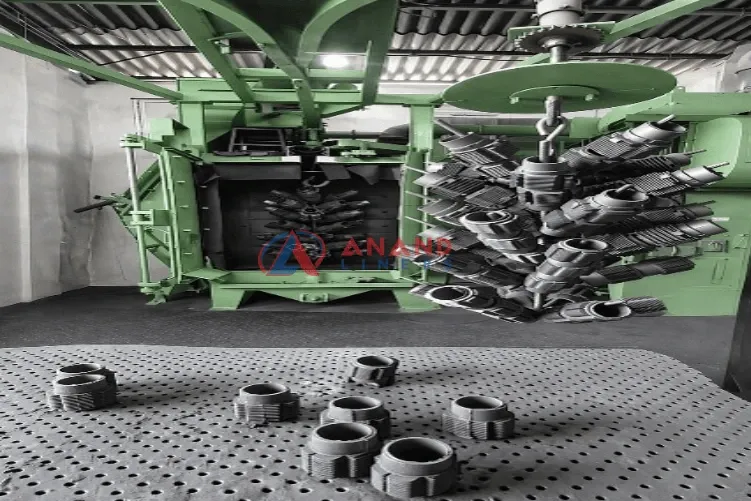
Extra material (runner, riser) is cut and ground.
Surface is cleaned using:
Casting becomes ready for machining.


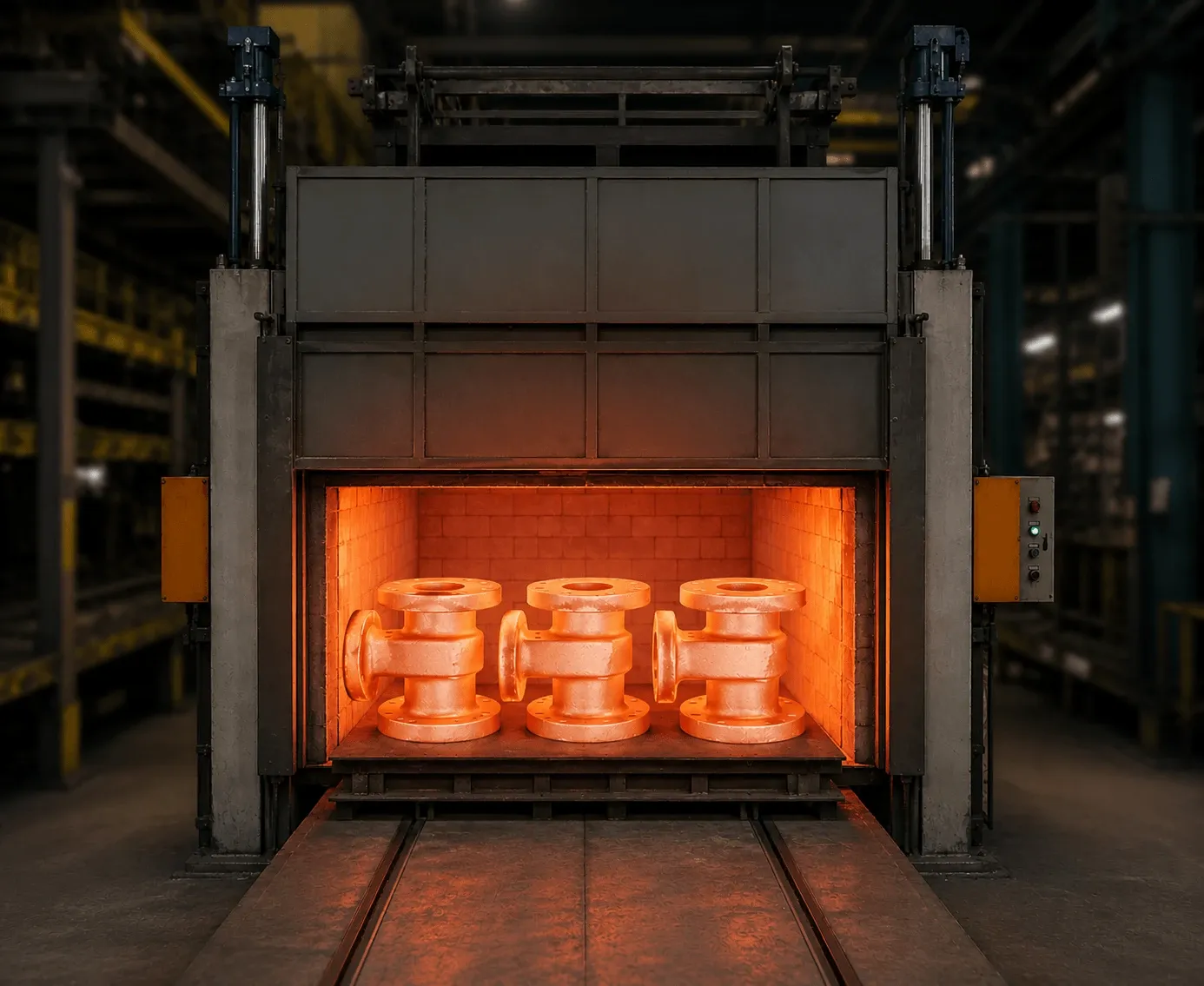
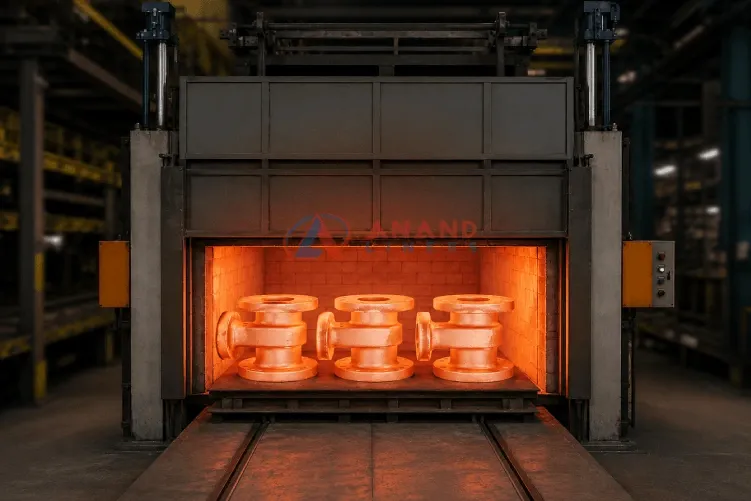
Heat treatment is often used after the Shell Moulding casting process to improve the mechanical properties and performance of cast components. Depending on the material grade and application, processes such as normalizing, annealing, quenching & tempering, stress relieving, or solution annealing may be performed after casting and fettling. Heat treatment helps improve strength, hardness, toughness, wear resistance, and dimensional stability. However, some small or non-critical shell mould castings may be supplied without heat treatment if the required properties are already achieved in the as-cast condition.


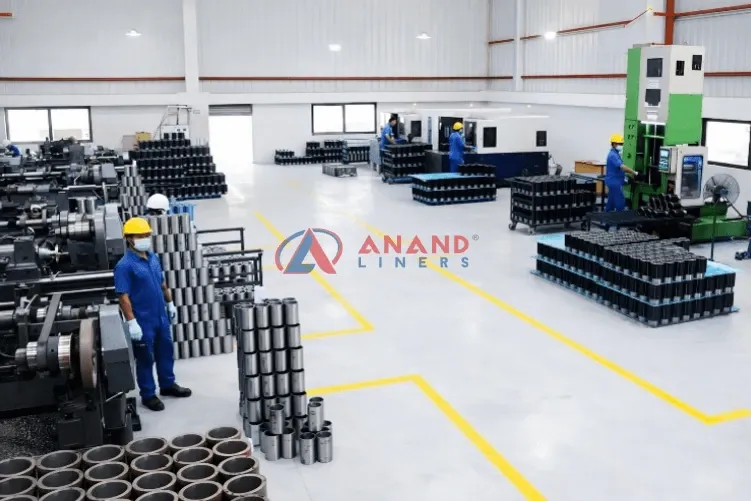
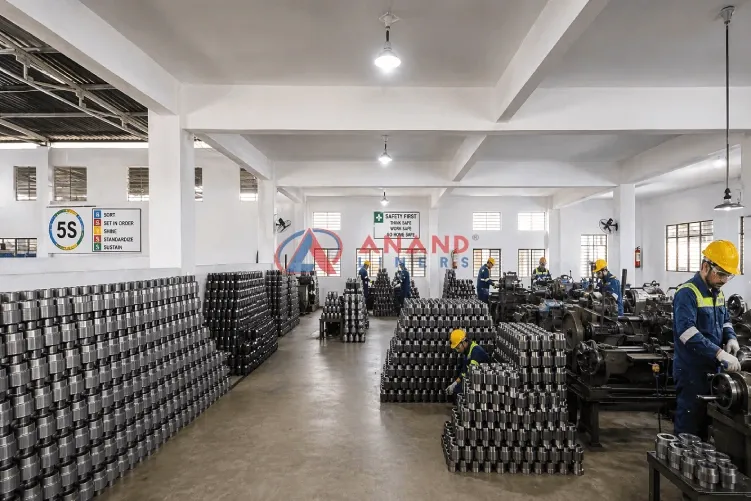
Machining is an important secondary process step in the Shell Moulding casting process. After casting, fettling, and heat treatment (if required), machining operations are performed to achieve precise dimensions, accurate tolerances, and superior surface finish according to customer drawings and specifications.
Shell mould castings are widely machined using conventional and advanced machining methods such as Lathe machining and CNC machining. Lathe machining is commonly used for turning, facing, boring, threading, and achieving accurate round dimensions on cylindrical components. CNC machining is used for high-precision operations including milling, drilling, tapping, contour machining, and complex profile machining with excellent repeatability and dimensional accuracy.
The combination of shell moulding and precision machining helps produce high-quality industrial components with superior performance, close tolerances, and reliable fitment for demanding engineering applications.

At Anand Liners, Quality Control is a critical and strictly monitored stage to ensure that every product meets the exact specifications defined in standard drawings and customer requirements. Our quality system is aligned with IATF 16949 standards, ensuring consistency, traceability, and continuous improvement across all processes.
We follow a comprehensive inspection protocol that includes:
Through our commitment to IATF 16949-certified quality management practices, we ensure that every liner delivered meets global automotive quality benchmarks.

ANAND LINERS (INDIA) PVT. LTD.
Veraval (Shapar), Anand Liners Gate, Rajkot – 360024, Gujarat – India.
At Anand Liners, we believe that long-term success is built on trust, quality, and customer satisfaction. Our customer-focused approach, technical support, and commitment to delivering reliable solutions continue to make us a preferred global partner in the engine components and casting industry.